How to Stalk Fish While Spearfishing in Victoria — Agguato & Approach
Learn to stalk fish spearfishing in Victoria — reading behaviour, using cover, angle of approach, tide and sun, and when to switch to aspetto instead.
Every beginner knows the feeling: you spot a good fish, swim down, and it vanishes before your fin kicks twice. The difference between empty hands and a clean shot is usually approach, not a longer speargun. Stalking — agguato in Italian — is moving into range without triggering alarm. In Victorian reef and sand country, it pairs with aspetto (waiting) as the two core hunting modes.
This guide is for shore and inshore boat diving on Victorian spots — snapper, trevally, flathead, bream, and reef species.
Stalk vs aspetto — when to use which
| Situation | Better choice |
|---|---|
| Fish cruising a sand edge towards you | Aspetto — settle and wait |
| Fish crossing open sand 15 m away | Stalk — intercept path |
| Species holding in kelp but visible | Stalk with cover |
| Wary snapper on ledge facing current | Aspetto on up-current side |
| Murky Bay vis under 4 m | Short aspetto; limited stalk distance |
| You are breath-hold tired | Aspetto — stalking burns O₂ |
Advanced sessions blend both in one dive — stalk to a position, then become a rock.
Phase 1 — Spot early on the surface
Most stalks are won before you duck dive:
- Scan far ahead while breathing calmly — no sprint paddling
- Identify species, size legality (rules), and path
- Note sun — keep it behind you when possible so fish look into glare
- Note current — fish face into it; approach from down-current side when you can
If you only see the fish at dive depth, you are already late.
Phase 2 — Plan the geometry
Draw a mental map:
- Where is cover (rock, kelp, bommie, weed edge)?
- Where will the fish go if spooked?
- Where is your buddy watching?
- Where is your float line — will stalk wrap kelp?
Bad geometry: Direct line down onto fish from above — classic spook.
Better geometry: Descend behind cover, slide along reef at their depth, appear from the side.
Phase 3 — The descent
- Calm duck dive — no splashing surface sprint
- Equalise early and often
- Kick minimum after initial momentum — fins are loud
- Look forward, not straight down at fish (neck angle helps equalising too)
- Stop kicking 3–5 m before target zone — glide
Phase 4 — The crawl
On bottom or mid-water:
- Slow — if you think you are slow enough, halve speed
- Keep gun extended but low profile
- Use non-gun arm to balance, not windmill
- Pause when fish pauses — match rhythm
- Hide silhouette behind weed fronds or rock lip
Lateral line: Fish feel vibration — reduce fin taps on rock; hand pulls along bottom on sand for flathead approaches.
Species notes for Victoria
Snapper
Wary, lateral vision strong. Stalk to up-current ledge; often switch to aspetto once positioned. Full guide: snapper in Victoria.
Flathead
Sand masters — tolerate closer approach if you stay low and crawl. Stalk along sand edge, not over open water above them.
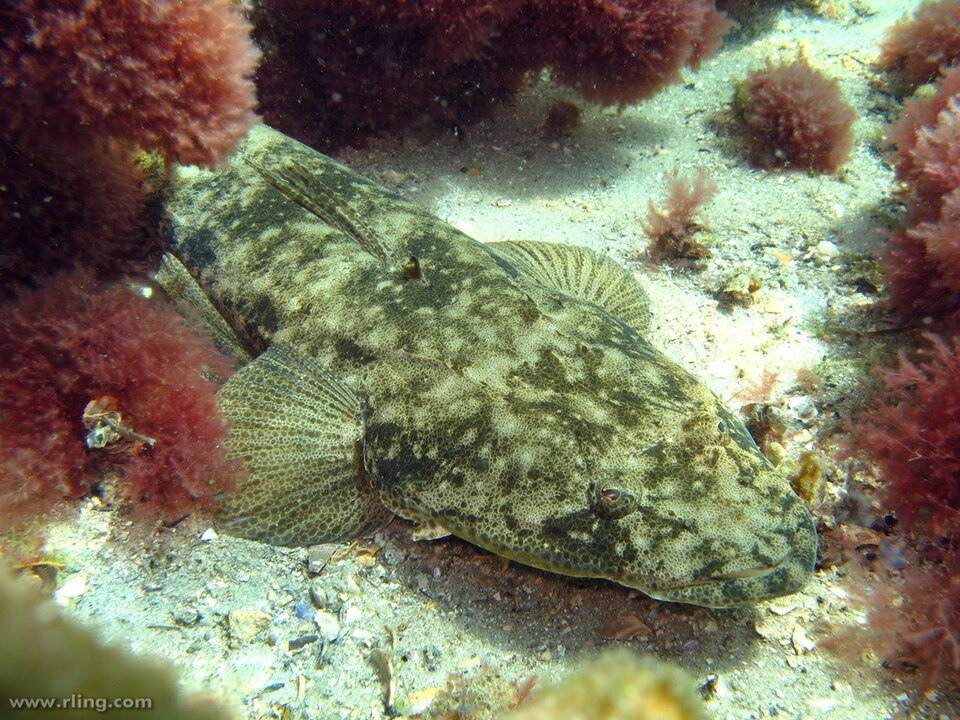
Photo: Richard Ling, CC BY-SA 2.0, via Wikimedia Commons
Trevally
Fast — stalk intercept ahead of school path; shot window short. Avoid chasing into blue.
Bream and reef pickers
Cover essential; small movements; often aspetto beats long stalk in winter clear water.
Squid
Different game — pulse fins gently; avoid direct eye line; some stalk, some hang in light at dusk (know local rules).
Port Phillip Bay and murk
Low visibility shortens stalk distance — fish see you late, you see them late. Implications:
- Shorter gun (90–100 cm)
- More aspetto on known ledges
- Float visibility critical — boat traffic
Read: Port Phillip Bay beginners.
Tide, swell, and entry
- Swell: Abort stalks that need precise bottom contact in surge — injury before fish
- Tide: Moving water concentrates fish on edges — stalk the edge, not the empty flat
- Entry: Splashy jump near reef spooks everything — smooth entry away from target zone
Breath-hold and stalking
Stalking burns oxygen faster than aspetto. Rules:
- Set max bottom time before dive — not “until fish leaves”
- Abort stalk if urge to breathe early — reset on surface
- Recovery 2× dive time before next stalk
- Tired divers spook fish with jerky movement — rest looks like skill
Shot decision at end of stalk
Before shooting ask:
- Positive ID and legal size?
- Safe backdrop (not rock or buddy)?
- Can I control fish on line?
A failed stalk beats a bad shot into reef.
Common stalking mistakes
- Looking only at target fish — miss larger fish approaching from side
- Finning every metre — noise telegraphs you
- Stalking from directly above — shadow spooks
- Chasing into open water — oxygen gone, fish gone
- No buddy surface cover — unsafe and distracting
Practice progression (4 weeks)
| Week | Focus |
|---|---|
| 1 | Surface spotting only — no shots, map fish paths |
| 2 | Short stalks on sand to flathead — one shot max per dive |
| 3 | Stalk-to-aspetto on Peninsula reef with mentor |
| 4 | Full session blending both — debrief with buddy after |
Borrow gear that fits silent diving — library wetsuit and fins trial recommended before buying stiff fins that click.
FAQ
Is stalking the same as agguato?
Yes — agguato is the Italian spearfishing term for active stalking; aspetto is passive ambush.
Do I need a longer gun to stalk?
Not necessarily — Victorian inshore stalks are often 3–8 m shots; accuracy beats length.
Why do fish always bolt in Port Phillip?
Murk, pressure, and approach from above — adjust technique, not only location.
Can I stalk alone?
Never recommended — buddy system required for safe breath-hold.
Stalk or flash offshore?
Flashers are offshore/boat tactic; this guide focuses on Victorian reef and sand shore diving.
Related: Victoria beginner guide · Safety checklist