Best Spearfishing Spots in Victoria — Shore & Inshore Guide
Where to spearfish in Victoria — Mornington Peninsula, Port Phillip Bay, Phillip Island, Surf Coast, Gippsland and west coast spots with access, species, skill levels and legal zones.
Victoria's coastline stretches from cool-temperate west-facing bays to Bass Strait headlands. The state has excellent spearfishing — but location legality varies metre by metre. A reef that looks perfect on satellite may sit inside a marine national park. This guide maps where Victorian spearos actually dive, what you can expect, and how to plan a legal, safe session.
Always confirm boundaries on the VFA Recreational Fishing Guide and VicFishing app. Pair this with where spearfishing is banned, Port Phillip Bay specifics, and our dive site reviews for site-by-site access and marine life notes.
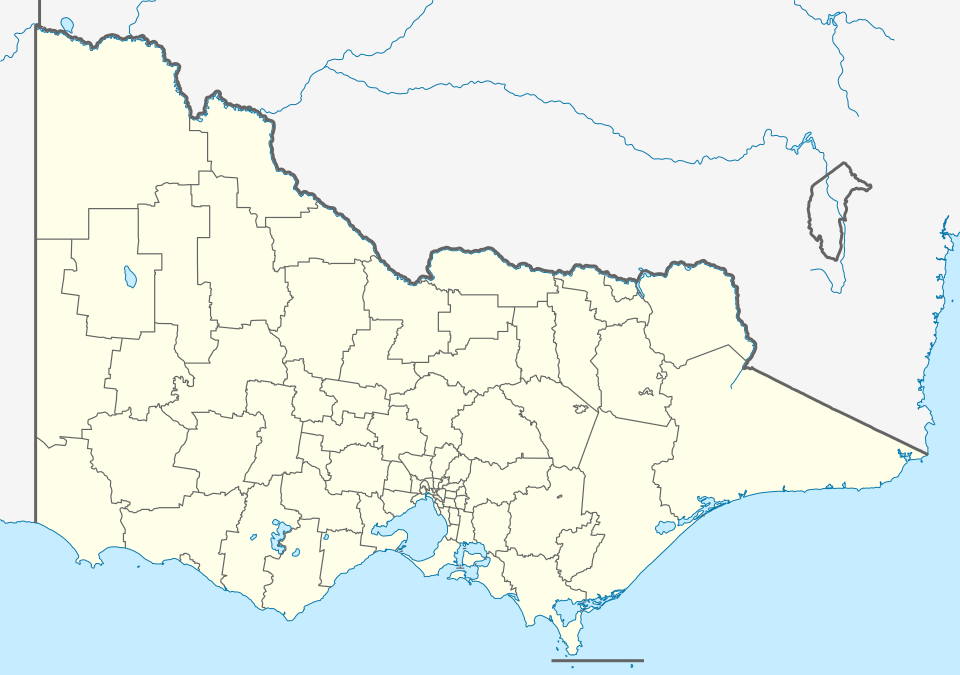
Map: NordNordWest, CC BY-SA 3.0 DE, via Wikimedia Commons. Sanctuary and no-take boundaries are not shown — confirm every dive site on the VFA guide or VicFishing app.
How to use this guide
Each area includes:
- Access — shore, boat, or both
- Typical depth — where beginners vs intermediate divers work
- Species — common targets (always check current size/bag rules)
- Skill level — honesty about current, visibility, and traffic
- Regulation notes — reminders, not legal advice
Skill level assumes buddy diving, basic equalising, and Alpha flag use.
Mornington Peninsula
Access: Shore and small boat
Depth: 3–10 m common; deeper on offshore reef with boat
Species: Snapper, trevally, flathead, squid, reef species
Skill: Beginner to intermediate
The Peninsula is the Melbourne spearos' default weekend escape. Rye, Blairgowrie, Sorrento, and Portsea offer reef and sand edges within reasonable shore access on calm days. Snapper move through in warmer months; winter sessions target different reef fish and require thicker wetsuits.
Tips:
- Enter away from crowded swimming beaches and boat ramps
- Morning sessions often beat afternoon wind chop
- Use aspetto on reef edges rather than swimming down the middle of sand holes
- Marine national parks exist in the region — one GPS error is an offence
Beginner pick: Protected bays on light-wind days, 4–6 m, with an experienced buddy who knows the local sanctuary boundaries.
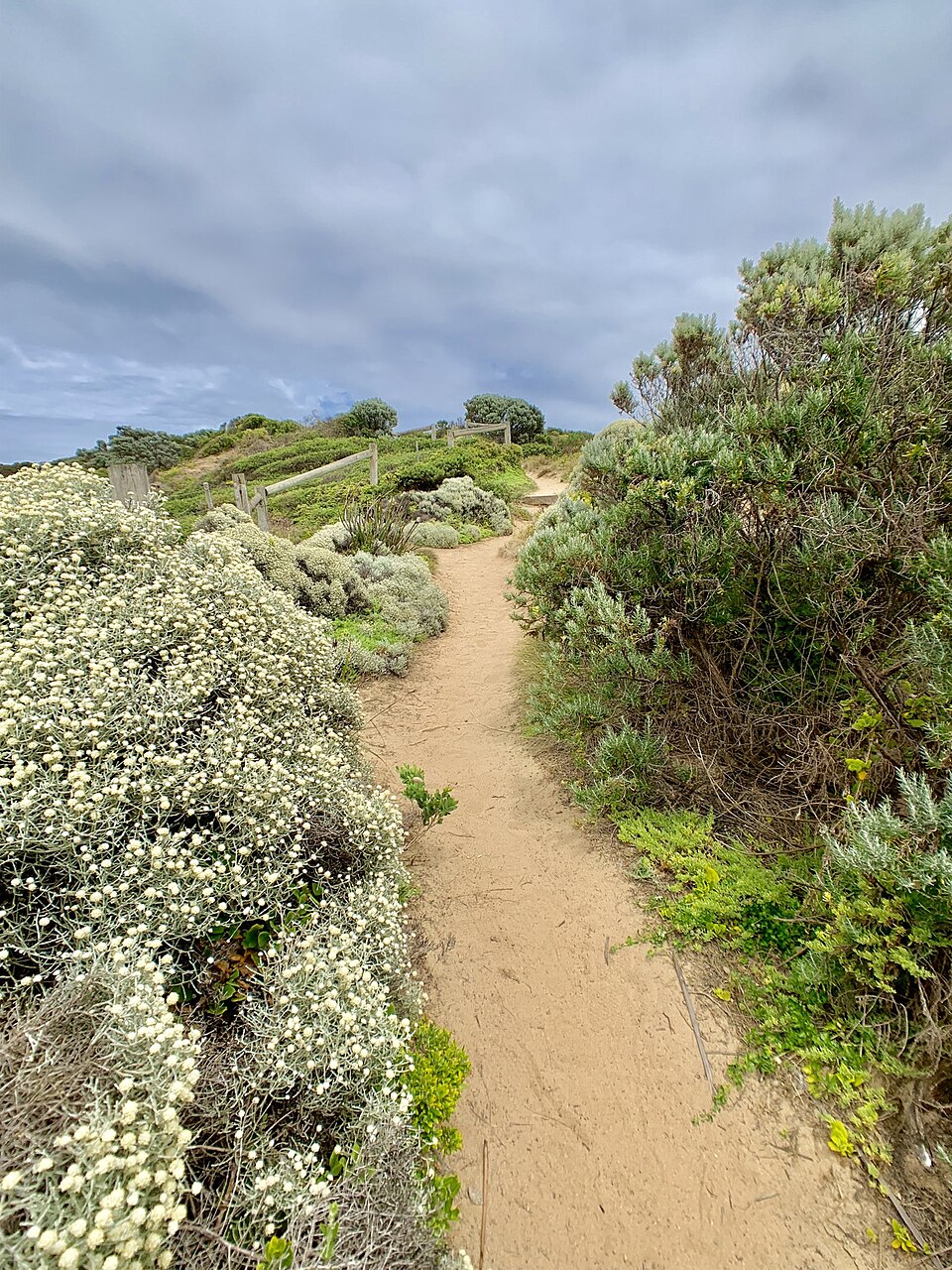
Photo: Kgbo, CC BY-SA 4.0, via Wikimedia Commons
Port Phillip Bay
Access: Shore and boat
Depth: 2–8 m typical
Species: Snapper, flathead, squid, reef fish
Skill: Beginner shore; intermediate for boat and traffic management
The Bay is accessible but legally complex. Multiple marine sanctuaries are no-take. Boat traffic near Melbourne, Geelong, and Mornington approaches is dense.
Full detail: Spearfishing Port Phillip Bay.
Tips:
- Large high-visibility float and strict buddy discipline
- Plan exits before entries — tide and wind push divers along shoreline
- Murky water shortens spotting distance; shorter gun (90–100 cm) often better
Phillip Island and Western Port
Access: Shore and boat
Depth: 3–12 m
Species: Snapper, flathead, trevally, squid
Skill: Beginner to intermediate (Western Port has strong tidal flow in places)
Cape Woolamai area and southern coast reefs attract spearos when swell allows. Western Port requires tidal planning — channels run hard. Sanctuary zones apply; verify maps per headland.
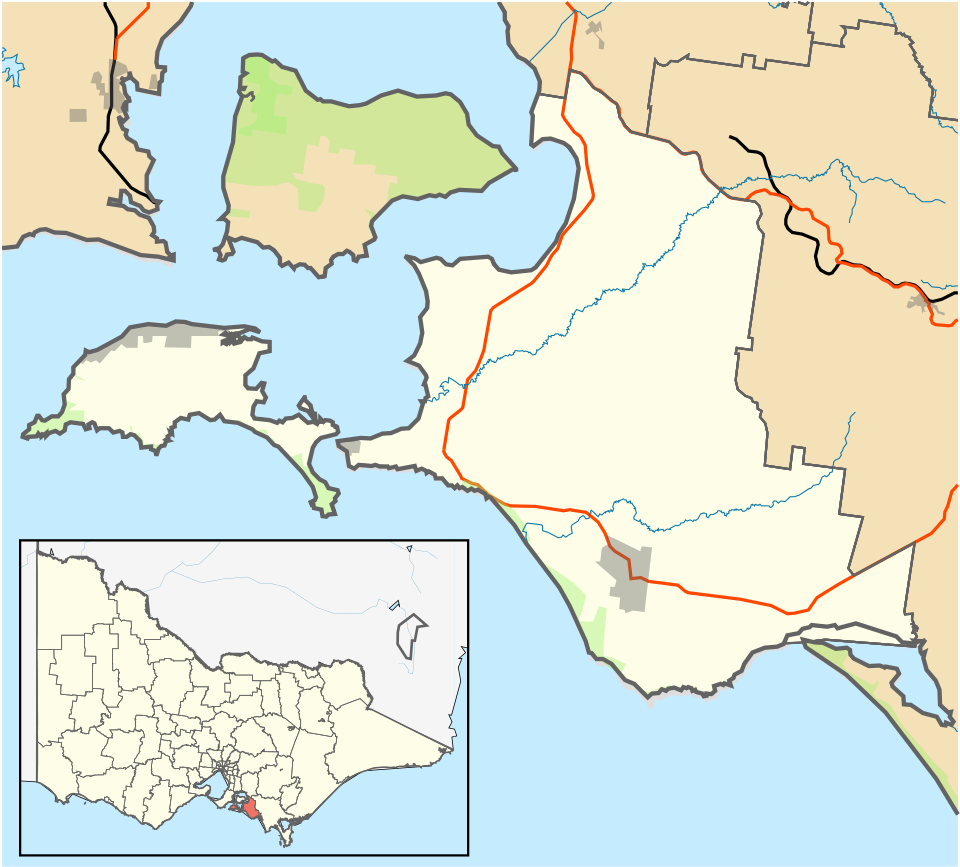
Map: Cassowary, GFDL, via Wikimedia Commons. Zoning boundaries not shown — check VicFishing before diving.
Tips:
- Bass Strait swell stops shore entries — check surf reports
- Cowes and Rhyll areas need careful zoning checks
- Winter visibility can exceed summer on clear cold days
Surf Coast (Torquay, Anglesea, Lorne)
Access: Shore (conditions limited) and boat
Depth: 4–15 m
Species: Snapper, trevally, kingfish (seasonal), reef species
Skill: Intermediate shore; boat expands options
Open coast means swell, wind, and rips. Shore spearfishing is only on flat days with local knowledge. Many Melbourne spearos boat from Torquay for inshore reef when the swell is down.
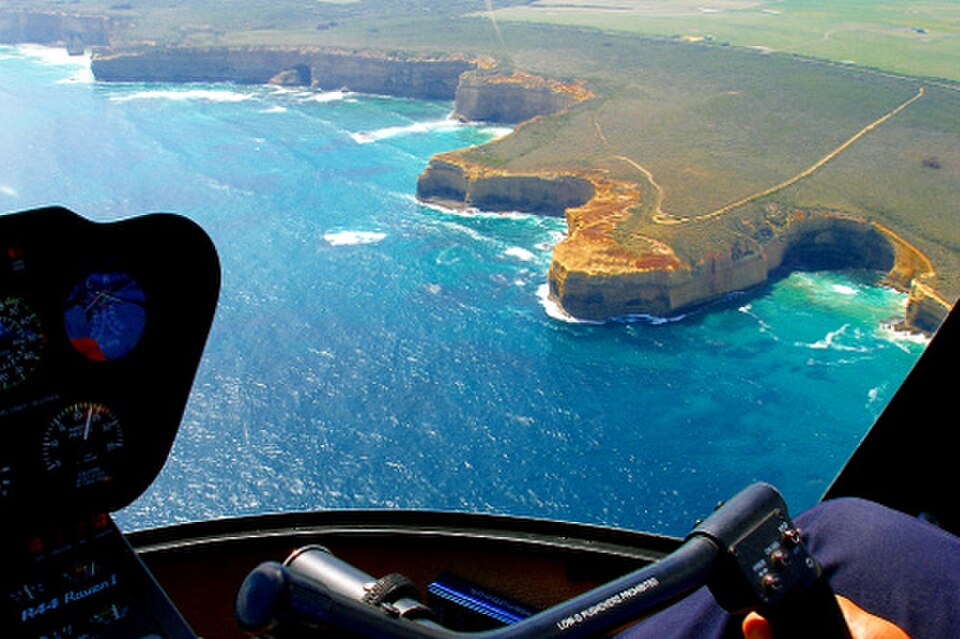
Photo: Brian W. Schaller, Free Art License 1.3, via Wikimedia Commons
Tips:
- Never fight swell without experience — entries and exits kill more sessions than fish
- Current along reef can sweep divers — plan drift and pickup
- Thicker wetsuit standard outside summer
Gippsland coast
Access: Shore and boat
Depth: 3–10 m inshore
Species: Flathead, snapper, trevally, squid
Skill: Beginner to intermediate depending on inlet
Ninety Mile Beach surf is generally not spearfishing terrain. In contrast, protected corners, jetties (remember 30 m jetty exclusion), and reef patches between Lakes Entrance and Mallacoota see spearos — but many named inlets prohibit spears entirely.
Read: Banned waters guide before diving Mallacoota, Tamboon, Wingan, or Gippsland Lakes arms.
Tips:
- Club contacts in Gippsland are invaluable for zoning
- Boat diving opens safer entries when shore surf is messy
- Cray and abalone have strict rules — know species ID cold
Wilsons Promontory and Corner Inlet
Access: Mostly boat; some shore with planning
Depth: Variable
Species: Snapper, flathead, trevally, pelagics offshore
Skill: Intermediate to advanced
Wilsons Prom and surrounds mix stunning diving with heavy regulation. Marine national park no-take zones dominate much of the Prom coastline. Spearguns are banned in all of Corner Inlet; hand spears are banned west of a legislated line — the geometry is precise; do not approximate from memory.
Tips:
- Treat as advanced trip planning — maps, weather window, experienced crew
- Not a first-season beginner destination
- Respect park boundaries even when fish are visible inside sanctuary
Western Victoria (Warrnambool, Portland)
Access: Shore and boat
Depth: 4–15 m+
Species: Snapper, whiting, trevally, kingfish (seasonal), reef fish
Skill: Intermediate
Cooler, clearer water than Port Phillip on good days. Portland and surrounds offer serious inshore and offshore potential with appropriate boat support. Weather from the Southern Ocean changes fast.
Tips:
- 5 mm+ wetsuit much of the year
- Local spearos often boat for reef and bluewater edges
- Longer gun and rigging matter offshore
Choosing a spot for your skill level
| You are… | Start here |
|---|---|
| First 10 dives | Calm Peninsula or Phillip Island bay, 3–5 m, with mentor |
| Comfortable to 8 m, Frenzel reliable | Peninsula reef edges, selected Bay zones outside sanctuaries |
| Boat access + intermediate | Surf Coast reefs on flat days, western inshore reef |
| Advanced + mapping skills | Gippsland boat dives, Prom/Corner Inlet with verified zones |
Match weighting and gear to the spot — borrow and test via the Equipment Library before long drives.
Pre-dive spot checklist
- VicFishing / VFA map for exact coordinates
- Swell, wind, tide, visibility forecast
- Buddy confirmed — one up one down
- Licence and flag visible
- Exit plan and emergency contact on land
- Safety checklist complete
FAQ
What is the single best spearfishing spot in Victoria?
There is no universal best — conditions and legal zones change weekly. The Peninsula on a calm morning is the most common beginner answer.
Can I spearfish in Melbourne city beaches?
Some bay areas allow spearing outside sanctuaries and jetty exclusions; many urban beaches are impractical due to swimmers and traffic. Map first.
Do I need a boat to spearfish in Victoria?
No — many spearos never boat. Shore diving on the Peninsula and Phillip Island covers years of learning.
Are spearfishing spots secret?
Locals protect over-dived reef — build relationships through clubs rather than expecting GPS pins online.
How do I find a buddy for a new spot?
Victorian spearfishing and freediving clubs, course classmates, and library member networks.
Where should I read rules for a specific species?
The VFA Recreational Fishing Guide — especially snapper size and bag limits.