Victoria Spearfishing Rules — Licence, Bag Limits & Gear Restrictions
Victorian spearfishing regulations explained — RFL licence, where spears are banned, bag limits, and how to stay legal in 2026.
Spearfishing in Victoria is legal in many coastal waters — but the rules are specific. Ignorance is not a defence. This guide summarises what recreational spearos need to know; always confirm details in the current Victorian Recreational Fishing Guide (VFA). Regulations update annually, and the VFA publishes species-specific rules, closed seasons, and equipment restrictions that apply to all fishing methods including spears.
Spearos face additional constraints that line fishers do not. Where you can use a speargun, where hand spears are treated differently, and where all spearfishing equipment is prohibited are questions you must answer before every new dive site. Getting this wrong risks fines, equipment seizure, and damage to the reputation of the sport.
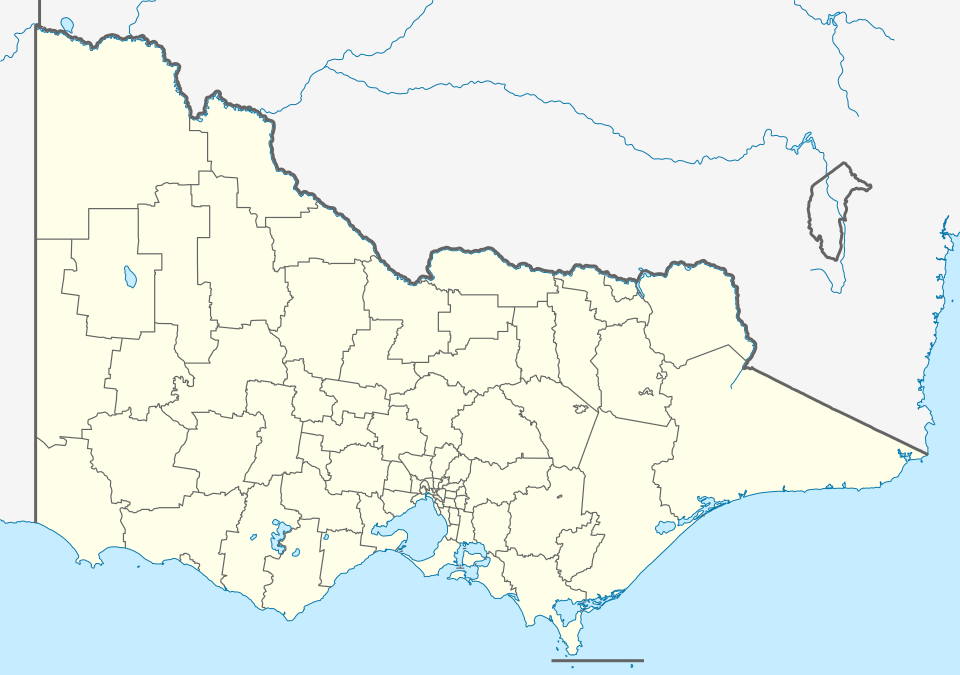
Map: NordNordWest, CC BY-SA 3.0 DE, via Wikimedia Commons. Confirm sanctuary and closed-water boundaries on the VFA guide.
Recreational fishing licence (RFL)
Most anglers aged 18–70 need a Victorian recreational fishing licence to fish in public waters — including spearfishing. The licence covers all methods: line, net where permitted, and spears. You can purchase a licence online through the VFA or authorised agents. Keep proof accessible — paper or digital — whenever you are fishing or carrying fishing equipment.
You also need a licence if you carry spearfishing equipment in or near Victorian waters, even if you are not diving that day. Loading a speargun into the car for a trip to a legal dive site without a valid RFL is an offence. The same licence covers your mate who only line-fishes from the rocks while you dive.
Exemptions exist for certain groups — check the VFA website before assuming you are exempt. Exemptions include people under 18, people aged 70 or over, and holders of certain concession cards (such as a Victorian Seniors Card). If you rely on a card exemption, you must carry the card. The full list is on the VFA fishing licence page. Do not rely on second-hand advice from a Facebook group.
There is no separate spearfishing licence. The standard Victorian RFL is all you need for recreational spearfishing in permitted waters.
Where spearfishing is NOT allowed
Key restrictions include:
- All inland waters — spearguns and hand-held spears cannot be used inland
- Specific estuaries and inlets — the lists for hand spears and spearguns differ:
- Hand spears: Corner Inlet west of the Entrance Point–Little Snake Island–Port Welshpool line, Curdies Inlet, the North Arm of the Gippsland Lakes, Lake Tyers, Mallacoota Inlet, Swan Bay, Sydenham Inlet, Tamboon Inlet and Wingan Inlet
- Spearguns: Anderson Inlet, all of Corner Inlet, Curdies Inlet, the Gippsland Lakes (except four small listed areas — see where spearfishing is banned), Lake Tyers, Mallacoota Inlet, Shallow Inlet, Tamboon Inlet and Wingan Inlet
- Within 30 metres of any pier, jetty or wharf, or the mouth of any creek or river — applies to hand spears and spearguns
- All marine national parks and marine sanctuaries — no fishing of any kind
- Intertidal protected areas — strict equipment and collection rules
Full Victorian list: Where spearfishing is banned. That article covers the most common traps for Melbourne and regional divers. The VFA equipment guide lists every water where spears are prohibited — read it before travelling to a new area.
Hand-held spears and spearguns have different rules in some intertidal zones — the VFA equipment guide is authoritative. A pole spear legal in one intertidal area may still be illegal in an adjacent estuary. Do not assume that because you saw someone spearing there, it is permitted.
The 30-metre jetty rule catches beginners regularly. Popular piers and jetties across Port Phillip Bay and regional Victoria are off limits for spearfishing within that distance. Plan your entry and exit points accordingly.
Bag and size limits
Limits vary by species. Snapper, flathead, squid, abalone (where permitted), and rock lobster each have their own rules. Marine and estuarine scale fish not listed in the guide have a default bag limit of 5. Possession limits apply at home — not just on the beach. You cannot stockpile fish beyond the legal possession limit even if you caught them on separate days.
You must measure fish correctly and return undersize catch alive. For finfish, measure total length according to the VFA guide. For rock lobster, carapace length and tail rules apply with additional gear requirements. Spearfishing does not give you any exemption from measurement — if anything, the selective nature of the sport means you had a clear look at the fish before you shot.
For snapper specifically in Victorian waters, see How to spearfish snapper in Victoria. Snapper have size and bag limits that change with season and location. Confirm current rules in the VFA guide before targeting them.
Some species have closed seasons or spawning closures. Rock lobster has regional seasons, size limits and gear rules, and cannot be taken with any spear or speargun. Abalone has strict rules, limited open days, and is not a beginner target. Know what you are looking at before you pull the trigger — misidentification is not a defence.
Equipment rules
- Spearguns must be used only to take permitted species in permitted waters
- Powerheads and explosive devices are not recreational gear
- Some equipment legal in marine waters is illegal inland
Spearguns loaded or unloaded must not be carried in prohibited waters. Transport your gun in a cover. Do not walk through a banned estuary with a speargun on your float even if you entered from legal water — know your access route.
Rock lobster (crayfish) cannot be taken with a spear or speargun in Victoria — this includes hand spears. Divers take them by hand or with a loop, under separate season, size and tagging rules. Read the VFA section on rock lobster before your first cray dive. Hand spears also cannot be used to take abalone.
Boats must slow to 5 knots within 100 metres of a dive flag (Code Flag A) shown on a vessel or buoy, so a flag on your float makes boats slow down near you. Breath-hold divers without breathing apparatus are not required by law to tow a flag, but you should always use one. Our beginner gear guide covers float and flag setup.
Marine parks and Port Phillip Bay
Port Phillip Bay contains marine parks with no-take zones. A GPS map or the VicFishing app helps confirm boundaries before you dive. Sanctuary zones prohibit the take of all marine life — including fish you spear accidentally. Entering a sanctuary zone with a loaded speargun is a problem even if you do not shoot.
The Bay also has special management areas and seasonal restrictions. Boat traffic is heavy in summer, which is a safety issue as much as a regulatory one. Use a high-visibility float and Alpha flag on every dive.
Read: Spearfishing Port Phillip Bay for beginners. Pair that with Where spearfishing is banned for a complete picture of where you can legally dive in the Melbourne region.
Victoria has 13 marine national parks and 11 marine sanctuaries, including Wilsons Promontory and Port Phillip Heads. All fishing is banned in every one of them, including spearfishing — there are no zones inside them where spearing is allowed. The boundaries can sit metres from open water, so GPS and the VFA maps are essential tools.
Reporting, ethics, and community access
- Do not sell recreationally caught fish without a commercial licence
- Do not take protected species
- Use selective shots — undersize or protected fish should never be targeted
If you shoot an undersize fish by mistake, do not retain it. Record the incident honestly if approached by fisheries officers. Repeat offences suggest poor fish ID or reckless shooting — both fixable with education.
VRFish represents Victorian recreational fishers including spearos. Staying legal protects access for everyone. Illegal spearing in closed waters or marine sanctuaries gives regulators and other user groups reason to restrict spearfishing access further. The sport depends on a minority of divers doing the right thing visibly and consistently.
Report illegal fishing through the VFA reporting channels. Do not confront other fishers yourself — note details and location and let fisheries handle it.
How to stay current
Regulations change. The VFA publishes an updated Recreational Fishing Guide each year, usually before the summer season. Bookmark the VFA recreational fishing page and review it every January. Subscribe to VFA updates if you dive regularly.
Our articles are guides, not legal documents. When our summary and the VFA guide disagree, the VFA guide wins. We refresh regulation content annually — check the publish and update dates on each article.
For your first season, read Spearfishing Victoria beginner guide, this article, and Where spearfishing is banned before buying gear or booking a trip.
FAQ
Do I need a separate spearfishing licence?
No — the standard Victorian RFL covers spearfishing. Purchase through the VFA or authorised agents.
Can I use a pole spear in Victoria?
Hand-held spears are permitted in some marine and intertidal areas but banned in inland waters and many estuaries. Check current VFA maps for the specific water you plan to dive.
Are there closed seasons for spearfishing?
Some species have spawning closures or size seasons. The method (spear vs line) does not exempt you. Rock lobster, abalone, and several finfish have seasonal rules — confirm in the current guide.
Where is the official source?
The Victorian Fisheries Authority publishes the Recreational Fishing Guide each year. Use it as your primary reference.
Can I spearfish from a kayak or boat?
Yes, in permitted waters, subject to the same licence, bag limit, and zone rules as shore diving. A recreational vessel with divers operating from it must display a dive flag (Code Flag A) — at least 750 × 600 mm on a vessel under 10 metres. A kayaker alone is not a substitute for an in-water buddy — see our buddy system guide.
What happens if I am caught spearfishing illegally?
Penalties include fines, equipment seizure, and potential prosecution depending on the offence. Marine park violations and exceeding bag limits carry significant penalties. Ignorance of the rules is not accepted as a defence.
Do spearfishing rules differ from line fishing?
Bag and size limits are the same. Equipment and access rules differ — spears are banned in waters where line fishing is permitted. Always check the equipment section of the VFA guide.